Filter by:

Virginia A to Z
This issue of Virginia Economic Review details the things that represent Virginia and its influence on America’s governance, economy, culture, and norms. Highlights include an A to Z listing of those items and illustrative compendiums of famous Virginians and companies located in the Commonwealth.
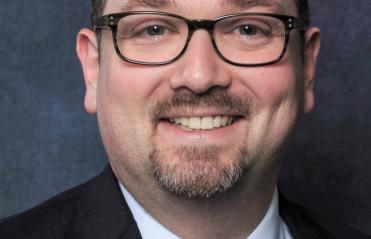
Advancing Diversity and Inclusion in Virginia: A Conversation With Jonathan Zur
Jonathan Zur is president and CEO of the Virginia Center for Inclusive Communities (VCIC), a nonprofit organization based in the Richmond area that works with schools, businesses, and communities to promote inclusion.

Virginians Defining the Zeitgeist
Virginia has been indispensable since the beginning of its existence. In addition to eight U.S. presidents, the Commonwealth was home to numerous Founding Fathers who helped shape the direction of the country and many civil rights leaders who believed it was capable of more.
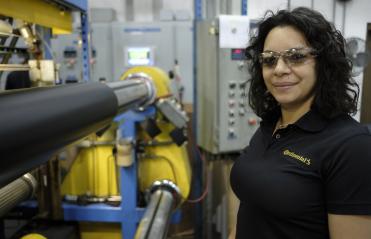 O'Sullivan Films Inc., Winchester
The I-81 Corridor Manufacturing Success: Northern Shenandoah Valley
While many drivers along the Interstate 81 Corridor focus on the beauty of the surrounding mountains, I-81 is the backbone that connects a thriving manufacturing industry. Unlike many interstate systems, I-81 circumvents major metro areas to connect smaller and mid-size cities.
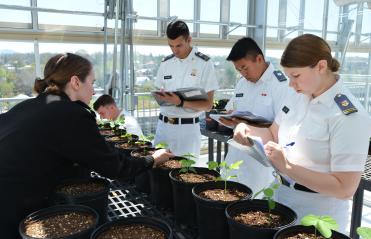 Virginia Military Institute
The I-81 Corridor Manufacturing Success: Shenandoah Valley
While many drivers along the Interstate 81 Corridor focus on the beauty of the surrounding mountains, I-81 is the backbone that connects a thriving manufacturing industry. Unlike many interstate systems, I-81 circumvents major metro areas to connect smaller and mid-size cities.
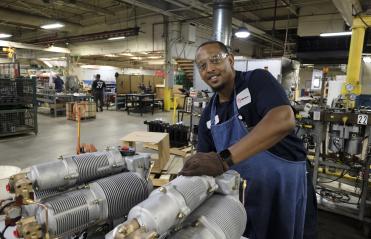 Wabtec, Salem
The I-81 Corridor Manufacturing Success: Roanoke Region
While many drivers along the Interstate 81 Corridor focus on the beauty of the surrounding mountains, I-81 is the backbone that connects a thriving manufacturing industry. Unlike many interstate systems, I-81 circumvents major metro areas to connect smaller and mid-size cities.
 Korona Candles, Pulaski County
The I-81 Corridor Manufacturing Success: New River Valley
While many drivers along the Interstate 81 Corridor focus on the beauty of the surrounding mountains, I-81 is the backbone that connects a thriving manufacturing industry. Unlike many interstate systems, I-81 circumvents major metro areas to connect smaller and mid-size cities.
 MOOG, Galax
The I-81 Corridor Manufacturing Success: I81-177 Crossroads
While many drivers along the Interstate 81 Corridor focus on the beauty of the surrounding mountains, I-81 is the backbone that connects a thriving manufacturing industry. Unlike many interstate systems, I-81 circumvents major metro areas to connect smaller and mid-size cities.
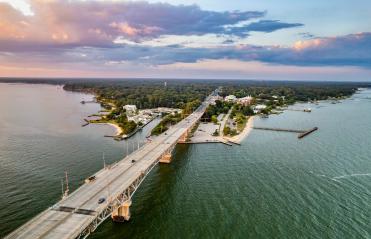 George P. Coleman Memorial Bridge, Gloucester County
Connecting Virginia Agriculture to International Markets
Brantley Ivey, general manager of River Ridge Land and Cattle Co. and managing partner of Landcrafted Food, recalls overhearing a farmer comment at the Virginia Governor’s Conference on Agricultural Trade: “If you’re not selling everywhere you can domestically, don’t consider exporting.”
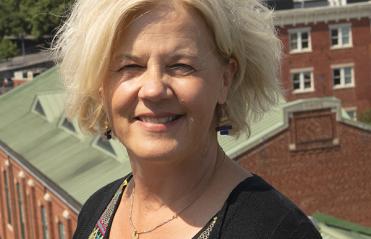
Virginia's Rural Storyteller: A Conversation with Beth Macy
Beth Macy is a three-time New York Times-bestselling author. She is the author of “Factory Man,” “Truevine,” and “Dopesick,” books that tell separate stories, but all stories through which the challenges, issues, prospects, and hopes of rural America are studied in different ways.

Closing the Skills Gap: A Conversation with Seth Martindale
Seth Martindale is a senior managing director with CBRE Consulting. He has extensive experience in real estate strategic planning, working with both private and public sector clients.

Securing Southern Virginia's Future: A Conversation with Ben Davenport
Ben Davenport has been a champion for economic development in rural Virginia for decades. Davenport is chairman of First Piedmont Corporation as well as Davenport Energy.
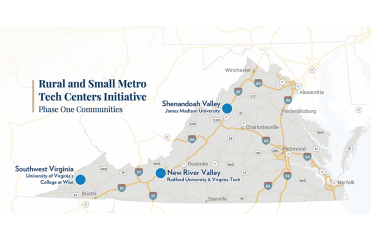
A New Frontier for Tech Talent
Companies Find Tech Talent in the Mountains and Valleys of Virginia Big cities have long been synonymous with economic opportunity. But what if that's not universally true?
 Novozymes, Salem
Virginia Looks to Workforce Development Leaders on Its Way to the Top
Virginia Talent Accelerator Program Delivers Custom Workforce Solutions to Companies How does a company find and train the skilled employees that will ultimately determine whether it succeeds or fails?
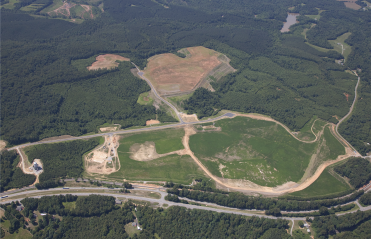 Commonwealth Crossing Business Centre, Henry County
The Business of Creating Business-Ready Sites
Virginia looks to increase the availability of development-ready sites with a two-pronged approach of characterization and development, working to bring business-ready sites online with greater speed and transparency than ever before.
 Buggs Island Lake, Mecklenburg County
America's Rural Growth Challenge
...and How One State Has Set Out to Tackle It The Brookings Institution recently published a troubling analysis highlighting an expanding economic divide between metro areas (especially large ones) and rural areas in the U.S., as large metro areas have enjoyed considerably faster growth than smaller metros and rural localities.

Moving the Needle in Rural Communities: A Conversation with Tom Barkin
Tom Barkin is the president and chief executive officer of the Federal Reserve Bank of Richmond. Barkin joined the Richmond Fed in January 2018. In his time in Richmond, Barkin has taken an interest in the issues leading to a divide between urban and rural areas in the Fed’s Fifth District.

It's Fast Forward for Workforce Credential Training in Virginia
Matt Poe always had an affinity for technology and cameras. Yet it wasn’t until he purchased a drone four years ago that he realized how much he enjoyed photography and videography. To hone his skills, the Abingdon resident began shooting footage of the mountainous region’s picturesque scenery.