Quantum Computing
Virginia is ready for the quantum era
Virginia gives quantum computing companies access to the talent, research strength, and federal connections helping move the industry from theory to application. Companies can tap into advanced R&D, strong university research, and a growing workforce pipeline. VEDP connects companies with the research institutions, workforce partners, and broader network needed to move fast.


An ecosystem
leading the charge
Virginia is well positioned to lead the quantum field for years to come, with an ecosystem anchored by research organizations, quantum-adjacent industries, and universities already preparing for a growing quantum workforce. That advantage is strengthened by proximity to federal decision-makers, regional institutions, and end users likely to influence early adoption.
 Booz Allen Hamilton, Fairfax County
Companies shaping
Virginia’s quantum future
Virginia’s quantum future
Virginia’s quantum momentum is being shaped by companies working across computing, networking, sensing, semiconductors, and other enabling technologies. From major technology leaders to firms in adjacent industries, these businesses are helping strengthen the commercial base that can support quantum innovation as the market matures.





Workforce fundamentals already in place
Workforce fundamentals already in place
Quantum computing depends on talent, research depth, and long-term innovation capacity. Virginia already brings those pieces together through a strong tech workforce, higher education assets, and continued investment in growing the talent pipeline.
No. 1
highest concentration of tech talent on the East Coast
Source: Lightcast

Virginia Tech
No. 2
tech talent pipeline ranking
Source: Business Facilities, 2025

College of William & Mary
$2B
tech talent pipeline investment
Source: Virginia.gov

Northern Virginia Community College
How Virginia is building
the quantum talent pipeline
the quantum talent pipeline
Virginia’s quantum advantage is being built deliberately across research, education, and regional coordination. Instead of relying on a single institution or initiative, the state is developing a broader pipeline that connects university research, workforce preparation, and industry engagement in ways that can support the field as it matures.
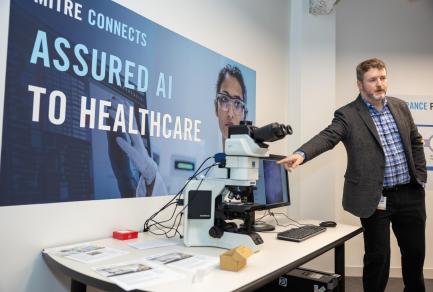 The MITRE Corporation, Fairfax County
Regional coordination with industry in mind
Regional coordination with industry in mind
The Potomac Quantum Innovation Center (PQIC) is helping bring together knowledge, resources, and industry across the Washington region, while Connected DMV’s NEXTversity program is focused on preparing talent for roles that are still emerging. Together, those efforts help connect long-term workforce planning to real industry needs.
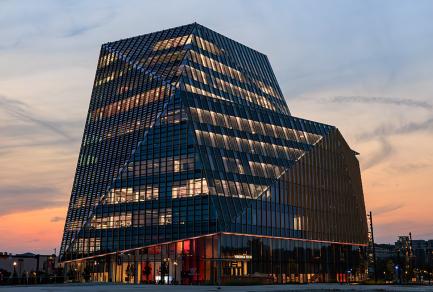 Virginia Tech Institute for Advanced Computing
Research institutions building depth
Research institutions building depth
Virginia offers a unique combination of academic excellence and national lab leadership in quantum technologies, strengthening the Commonwealth’s research base across computing, sensing, communications, materials, and other core areas. Virginia Tech’s Center for Quantum Information Science and Engineering and Northern Virginia Innovation Campus are advancing quantum software and secure systems with industry partners. Supported by National Science Foundation grants, the University of Virginia is building strength in photonic quantum computing and scalable architectures. And George Mason University’s Quantum Science and Engineering Center is focused on quantum sensing and materials research.
 George Mason University
A workforce pipeline that starts early
A workforce pipeline that starts early
Efforts at Virginia Tech, George Mason, NOVA, and regional school systems are broadening the pipeline for students, engineers, technicians, and other quantum-aware workers. That matters in a field where the workforce will need to extend well beyond physicists alone.
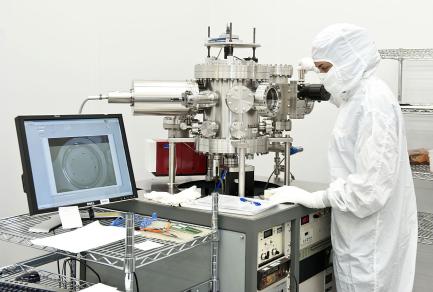 Thomas Jefferson National Accelerator Facility, Newport News
A federal ecosystem built for experimentation
A federal ecosystem built for experimentation
Virginia’s regional concentration of federal agencies, labs, and mission-driven institutions gives quantum companies access to the organizations likely to shape early demand. That advantage is reinforced by efforts such as Jefferson Lab’s Department of Energy-backed work in quantum information science and high-performance computing infrastructure, and the Washington Quantum Network Research Consortium (DC-QNet), a consortium building a regional quantum network testbed for experimentation, demonstrations, and future operational use.
Why companies
succeed in Virginia

Fairfax County
A vibrant ecosystem for quantum really comprises four elements: workforce, research and academic communities, industry, and access to quantum computer systems. Virginia is building that foundation now.

The MITRE Corporation, Fairfax County
MITRE certainly benefits by being in Northern Virginia and in Virginia as a whole. It puts us close to our sponsors. But it’s also a good place to find an educated workforce, which is important and something that certainly MITRE cares about.


Alexandria
The regional ecosystem in Northern Virginia is ideally suited to support these kinds of activities. There is a large population of people with advanced degrees and a large concentration of government research and development organizations.


NASA, Accomack County
One benefit of being in the D.C. region is that we’re close to federal officials and policymakers. We can bring them into our labs for demonstrations, and they can leverage their proximity to the infrastructure to further their understanding of quantum networking and use cases.
The nation’s largest investment
in tech talent
Virginia is investing more than $2 billion to expand its tech talent pipeline through the Tech Talent Investment Program, targeted philanthropic gifts, corporate partnerships, and K-12 computer science initiatives. That effort is helping double the number of graduates each year in computer science and related fields.
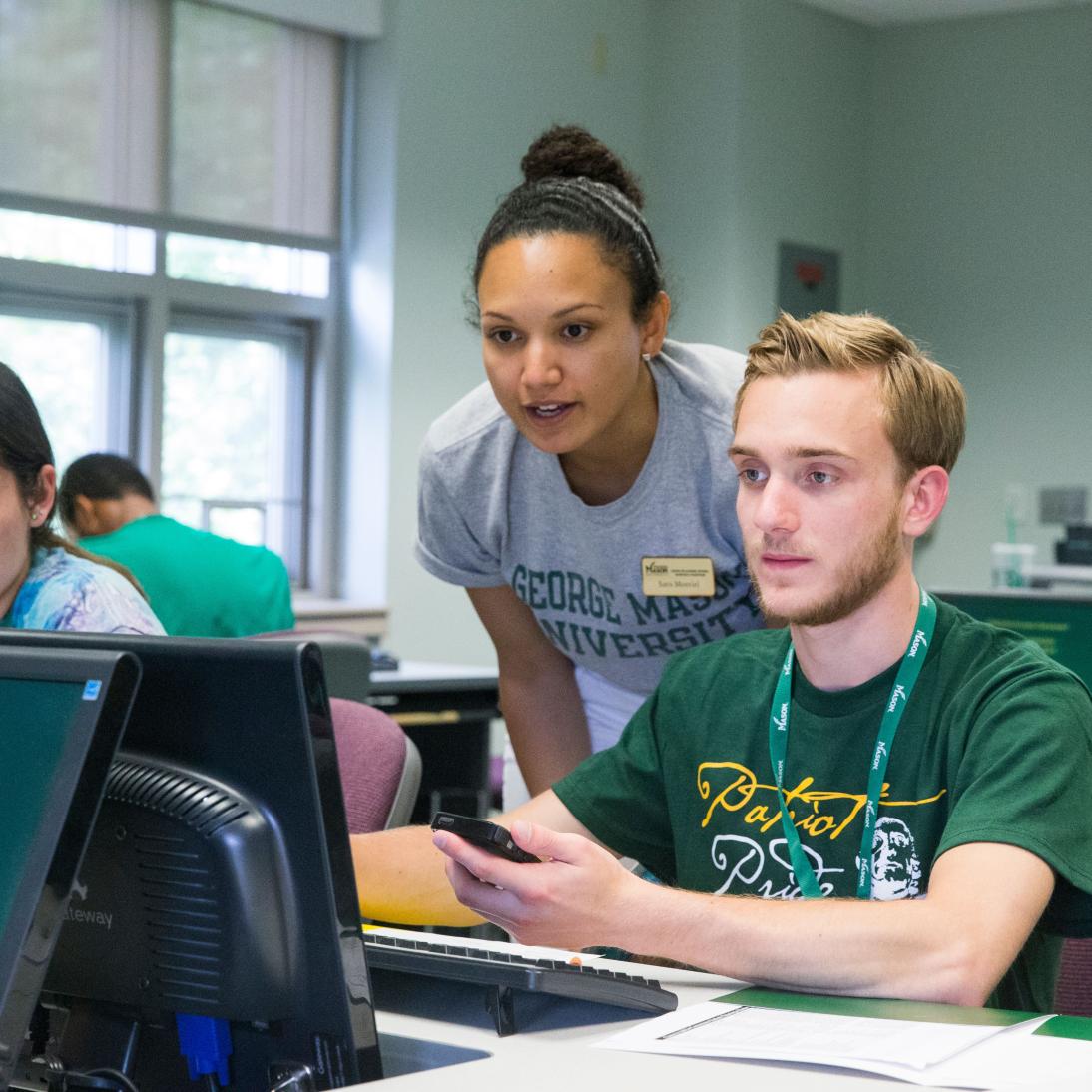 George Mason University

A closer look at Virginia’s quantum momentum
Virginia is positioned to be a leader in quantum research and engineering as the industry gains momentum. From university research and workforce development to quantum networking, federal collaboration, and commercial potential, take a closer look at the people, institutions, and ideas helping shape the Commonwealth’s quantum future in our Virginia Economic Review.
Meet your industry
experts & partners
experts & partners

Kevin leads strategic project engagement and investment attraction, connecting companies with Virginia’s energy ecosystem to support expansion and long-term industry growth.

Simon Chapman works with companies across a range of industries – including nuclear energy, quantum computing, and wood products – as they evaluate expansion into Virginia. His role focuses on helping companies assess opportunities in the Commonwealth and navigate the considerations involved in entering new markets.

Antje advises international companies on how best to expand operations into the U.S. in general and Virginia in particular, providing expert guidance on key topics, from site selection to tax incentives. She oversees VEDP’s offices in Europe, Korea, Japan, and Taiwan.