It Happened Here First
Learn more about how Virginians helped push the country forward in its formative years, a precursor to the innovation still occurring in the Commonwealth every day.
As one of the 13 original colonies, Virginia claims many historic firsts among American states. These firsts span numerous fields and industries, from energy generation to food and beverage production to transportation. Read on to learn more about how Virginians helped push the country forward in its formative years, a precursor to the innovation still occurring in the Commonwealth every day.
 Williamsburg
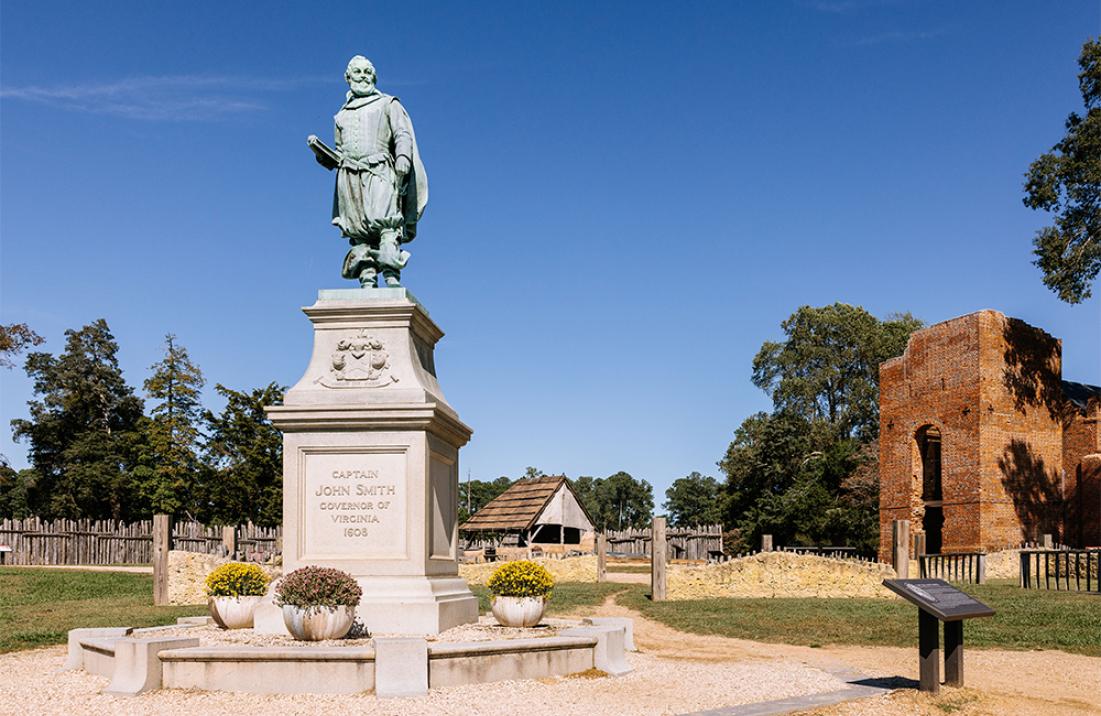
1607 — First Permanent English Settlement
The Jamestown settlement near Williamsburg was the first permanent English settlement in the Americas. Today, visitors to Jamestown can view the site of the original 1607 fort and visit a museum devoted to artifacts that are still being unearthed at the site.
1619 — First American Thanksgiving
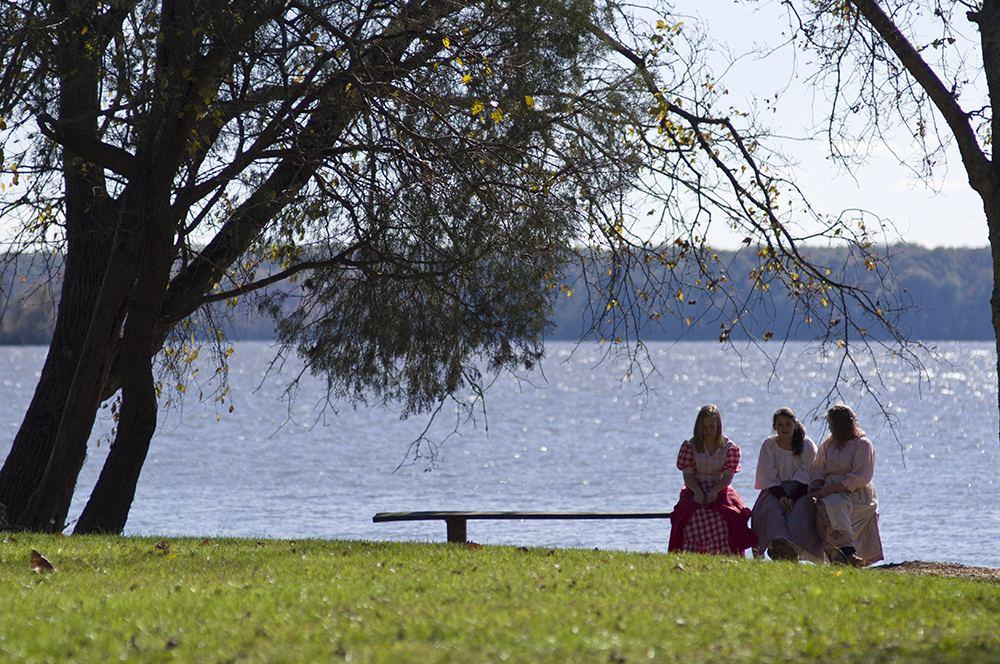
Contrary to popular belief, the first Thanksgiving took place in 1619 at Berkeley Hundred, now the site of Berkeley Plantation in Charles City County. On Dec. 4 of that year, 35 settlers celebrated what is now recognized as the first American English-speaking Thanksgiving, two years before similar festivities at Plymouth Rock. Berkeley was also where the iconic military tune “Taps” was composed and first performed.
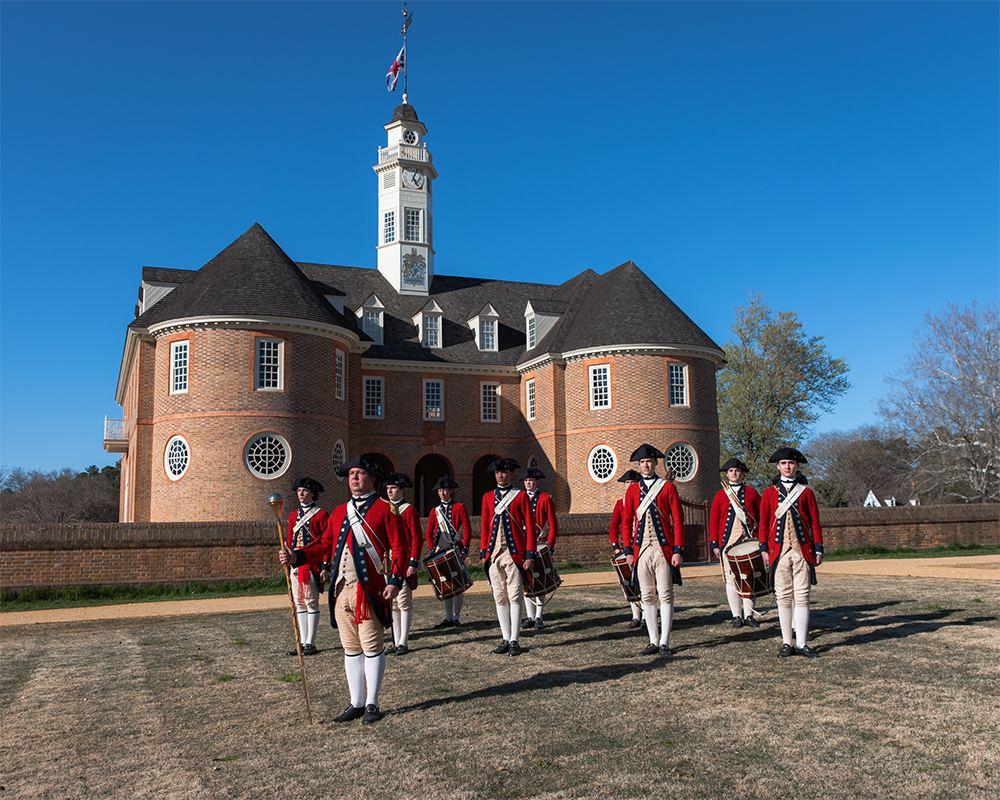
1619 — First Elected Legislative Body
The Virginia House of Burgesses was the first democratically elected legislative body in the British American colonies. Established in 1619, the House of Burgesses met at the Williamsburg Capitol until the American Revolution and eventually became the modern House of Delegates in the Virginia General Assembly.
 Shirley Plantation, Richmond
1638 — Oldest Continuously Operating Business
Shirley Plantation in Charles City County began operations in 1638 and continues as a working farm today, making it the oldest continuously operating business in the United States. Like many Virginia plantations, Shirley relied on enslaved people for labor until the Emancipation Proclamation.
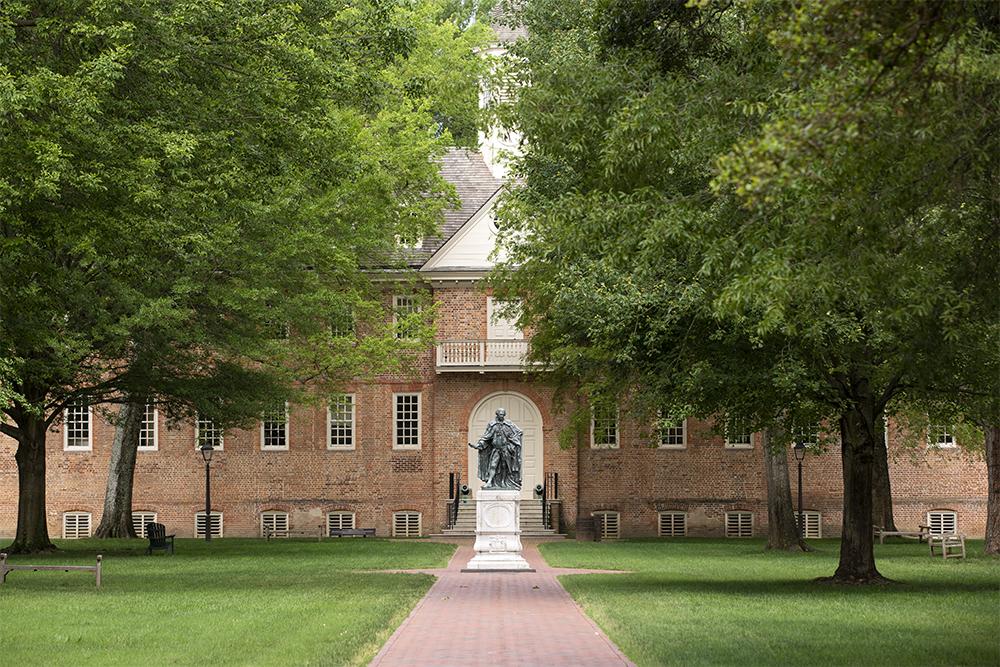
1776 — First American College Fraternal Organization
The first fraternal organization in the United States, the Phi Beta Kappa society, was established at the College of William & Mary in 1776. The group established the practice of naming American college societies after the Greek alphabet.
 Cape Henry Lighthouses, Hampton Roads
1792 — First Federal Public Works Project
Cape Henry Lighthouse in Virginia Beach was the first federal public works project to be completed in the United States. Finished in 1792, the stone lighthouse remained in service for nearly a century before being replaced by a new black-and-white lighthouse beside it.

1834 — The Mechanical Reaper
Cyrus McCormick invented the mechanical reaper at his Rockbridge County farm and obtained a patent in 1834. The reaper cut grain much faster than had been possible with existing hand tools and was a precursor to the modern combine harvester.
 Peanut Farming, Sussex County
 1842 — First Commercial Peanut Crop
Virginia has a long, rich history in the peanut industry, from George Washington Carver’s research into the cultivation, farming, and culinary uses of the nut to the first commercial peanut crop grown in the United States in 1842, near the town of Waverly in Sussex County. Today, Virginia remains one of the most prominent and efficient peanut-producing states.

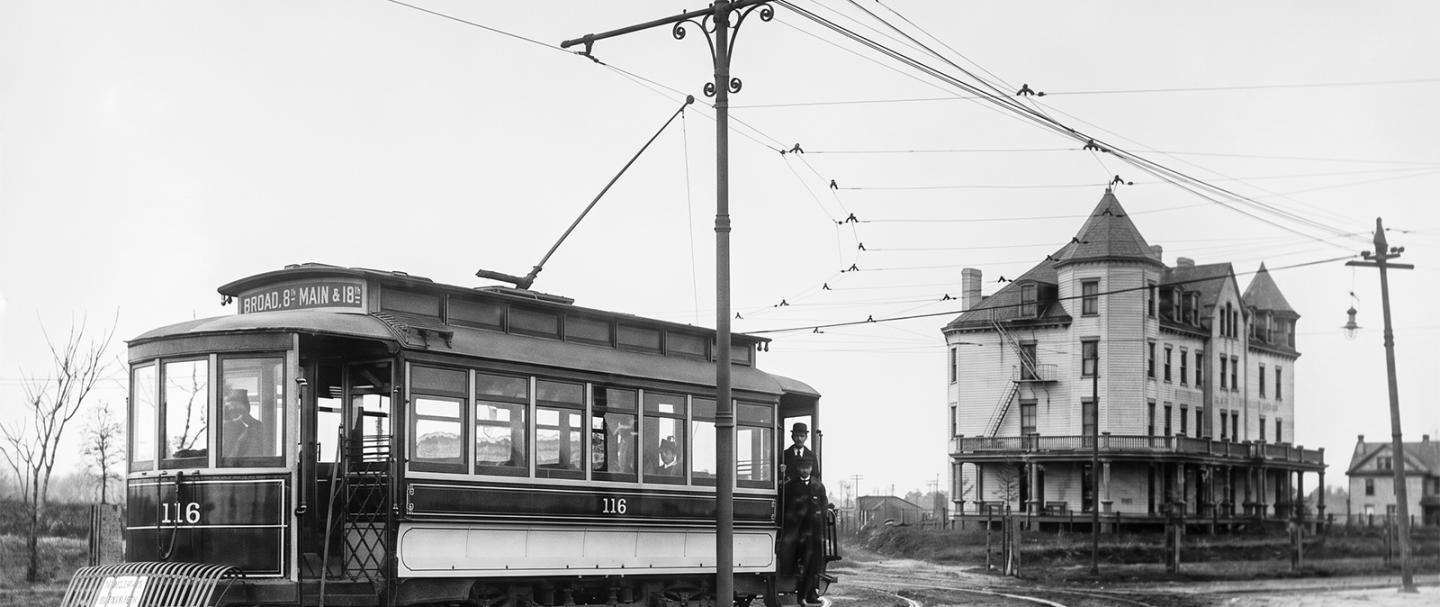
1888 — First Successful Electric Streetcar System
The world’s first successful electric streetcar system began service in Richmond in 1888, with power supplied through overhead trolley wires. Previous attempts in the United States and Europe had not proven reliable enough to replace existing animal-hauled railways, but Richmond’s success proved that electric traction was safe and reliable. Designed by Frank J. Sprague and inspired by his experience on the then-steam-powered London Underground, the success of the streetcars prompted Boston to approve an electric railway of its own less than a year later. By 1895, almost 900 electric streetcar systems had been built in the United States.
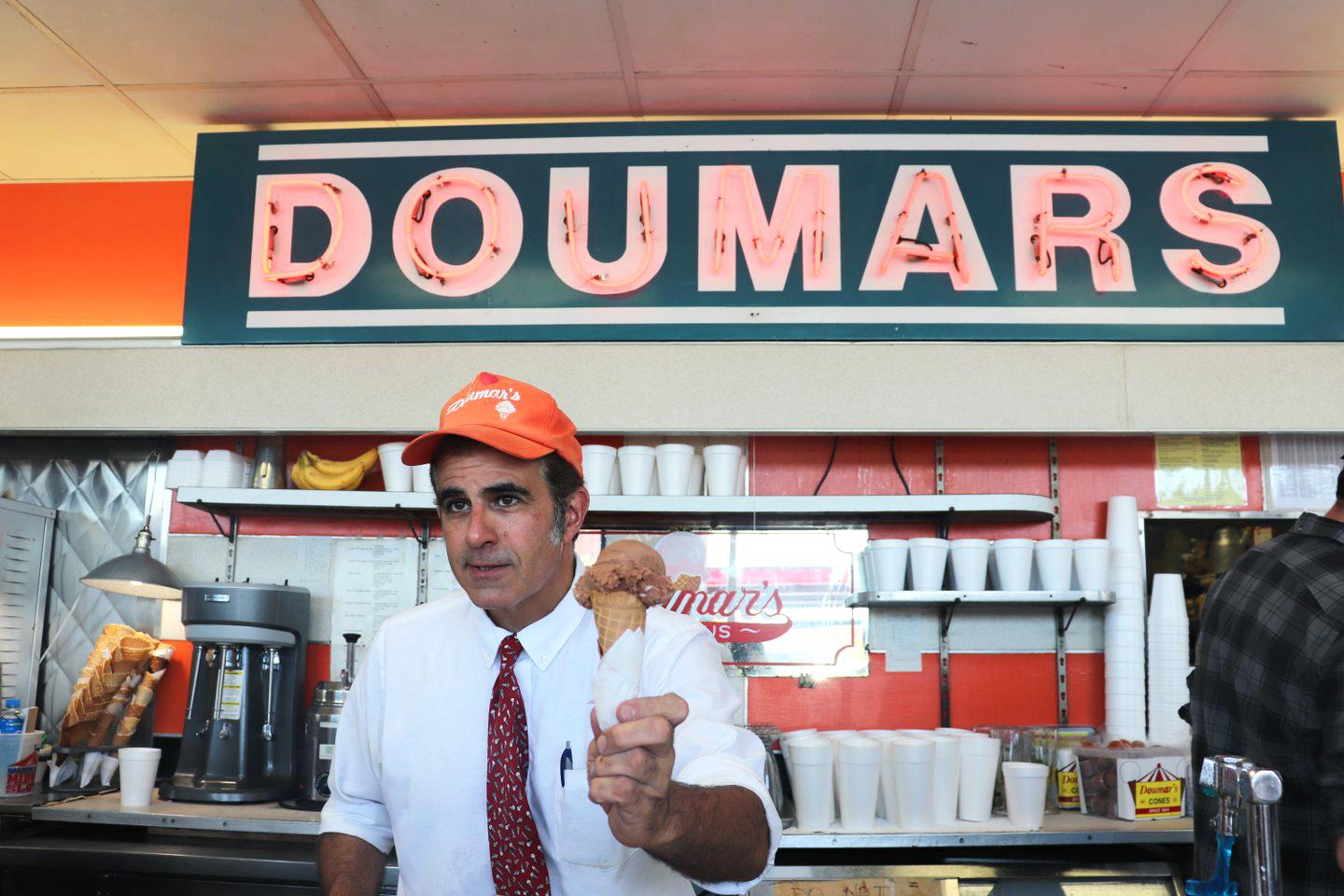 Doumar's Cones & Barbecue, Norfolk
1904 — First Ice Cream Cone
Abe Doumar of Virginia Beach invented the first ice cream cone in 1904 by rolling up a waffle and placing a scoop of ice cream on top. The item was so successful that Doumar designed a baking machine to produce the cones more efficiently. Today, Doumar’s Cones and BBQ in Norfolk continues to sell cones made with a semiautomatic machine that dates back more than a century.
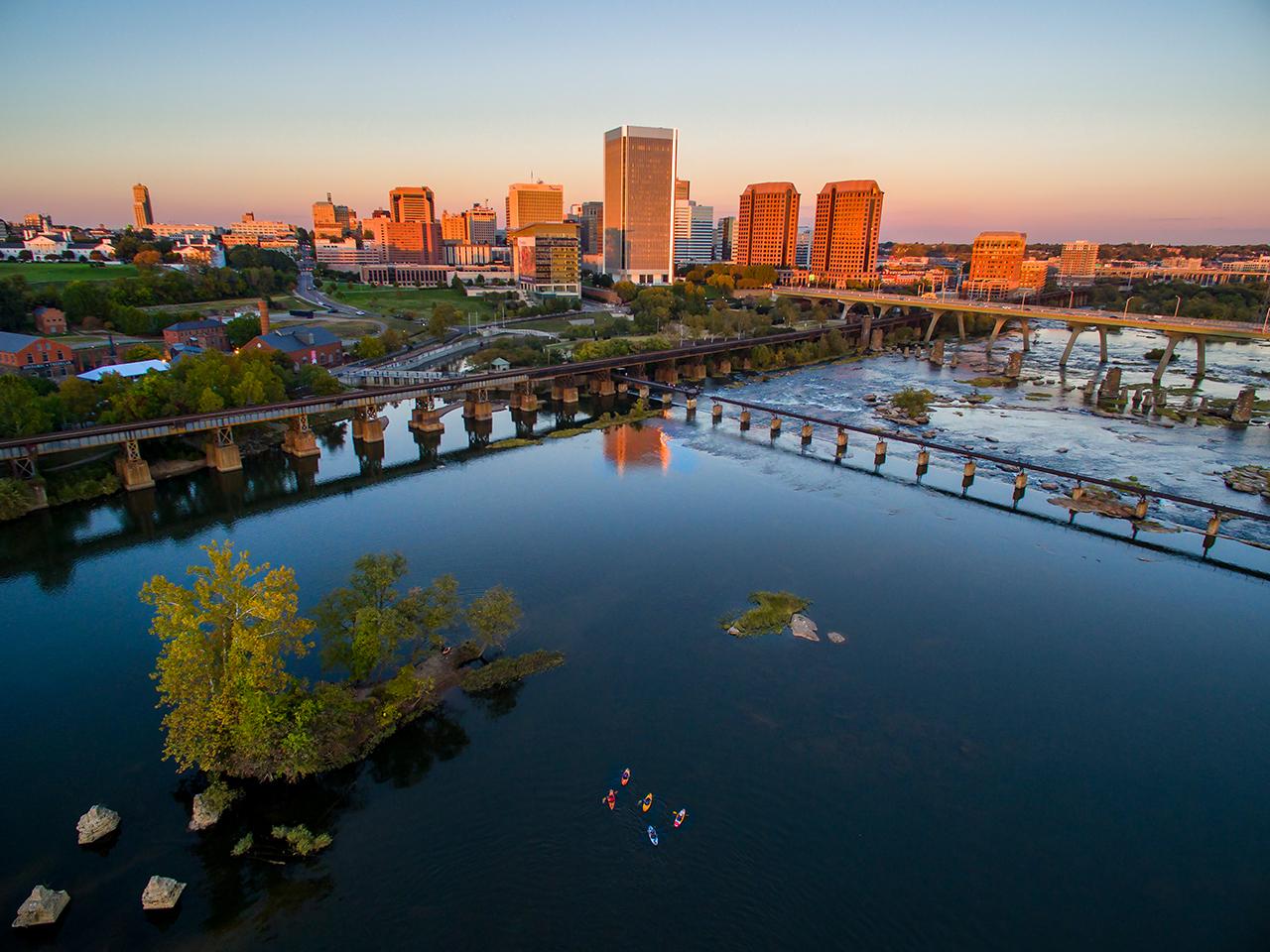 Richmond
1935 — First Canned Beer
The world’s first canned beer was sold in Richmond in 1935, when the Krueger Brewing Company debuted its new packaging method — tin cans with a vinyl interior coating. The cans proved so popular that Krueger was said to buy 180,000 cans per day within two months of their debut. In 1977, Richmond contributed another first to the brewing industry when Reynolds Metals Co. invented the stay-on pull tab opener.

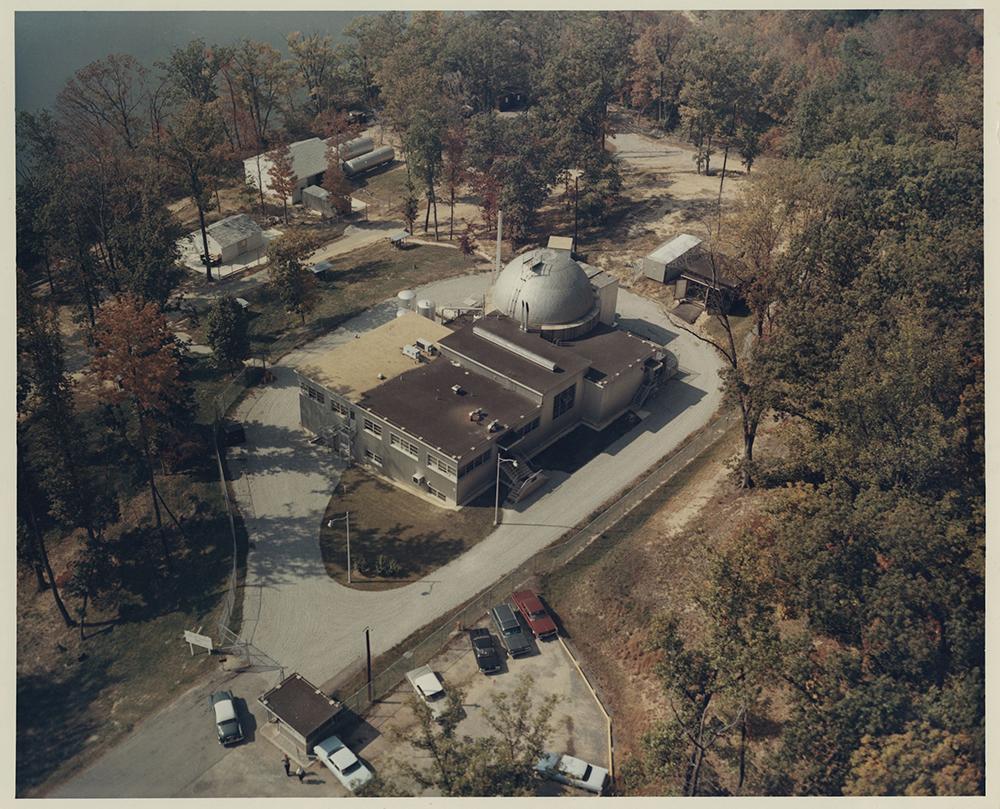 Nuclear Power Plant, Northern Virginia
 1957 — First Nuclear Reactor to Supply the U.S. Electrical Grid
SM-1, short for Stationary Medium Power Plant No. 1, was the first nuclear reactor to supply power to the U.S. electrical grid. Located at Fort Belvoir in Fairfax County, the plant achieved its first self-sustaining nuclear reaction in 1957 and continues to operate and provide power today.
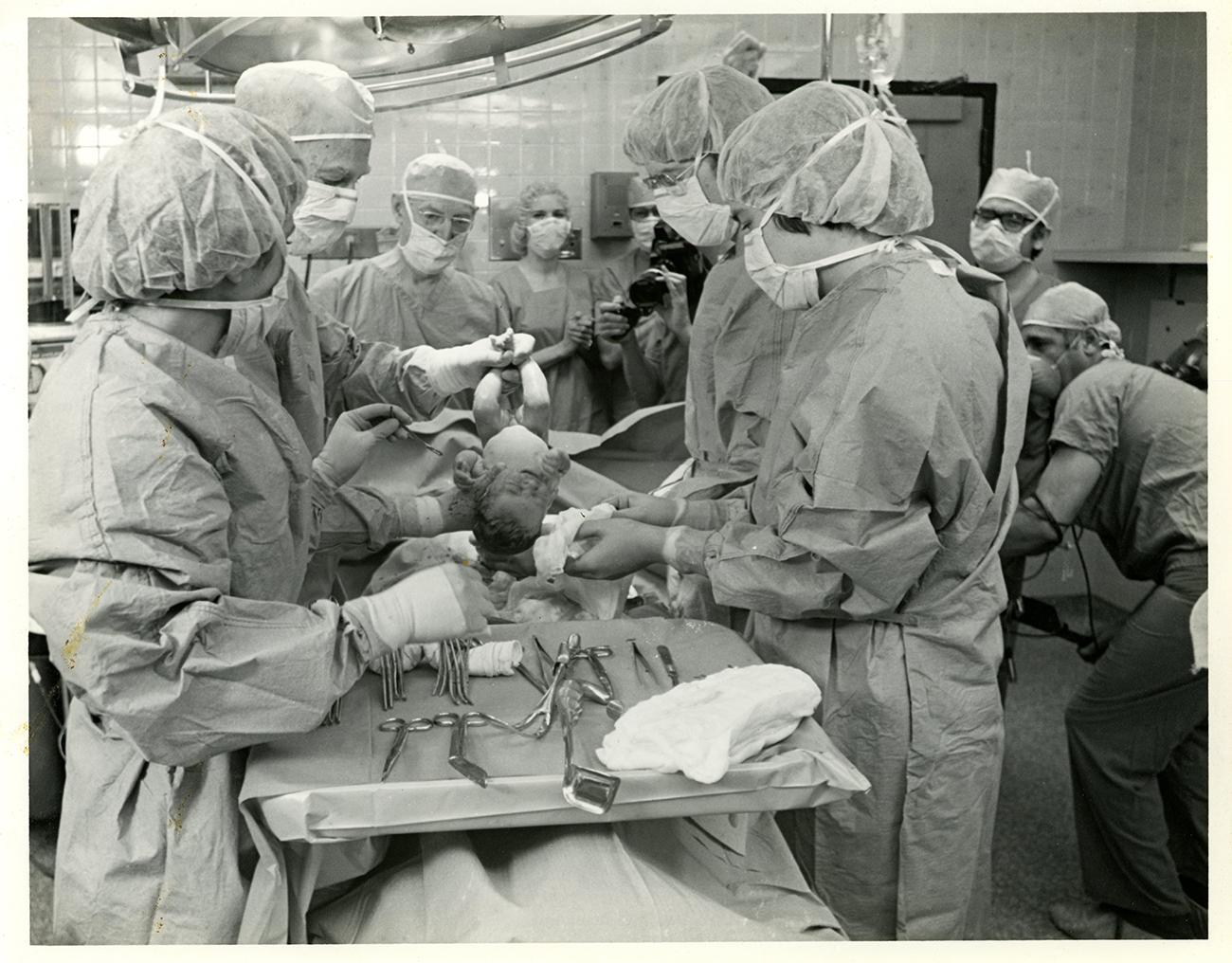 Eastern Virginia Medical School, Norfolk
1981 — First IVF Baby Born in the United States
Elizabeth Jordan Carr was the first baby born in the United States from the in vitro fertilization method. She was conceived with help from doctors Howard Jones and Georgeanna Seegar Jones at Eastern Virginia Medical School in Norfolk, now part of Old Dominion University, and born at Norfolk General Hospital.