
Carry-On Trailer, a leading manufacturer of steel and utility trailers, will invest $9.2 million to increase capacity at its facility in Westmoreland County, creating 60 new jobs.
JKOZ Engineering, a service-disabled veteran-owned business offering full-service engineering, technology, and product development services, will invest $3.7 million to relocate and expand its operation in Nottoway County.
Boxer Gifts LLC, a specialty gifts manufacturing company, will invest $1.4 million to establish a new operation in the City of Harrisonburg, creating 15 jobs.
West Point Veneer LLC plans to invest $2.5 million to reactivate its former manufacturing facility in the Town of West Point, creating 92 new jobs.
The “E Star” Award, the nation’s top export honor, is presented to companies and organizations that have made significant contributions over the past four years to expand U.S. business in international markets.
ESS Technologies, Inc., a subsidiary of the Pacteon Group that specializes in complete packaging line design and equipment manufacturing, will invest $1.6 million to increase capacity and expand in Montgomery County, creatin
Topsoe, a Danish manufacturer and global leader in carbon emission reduction technologies, plans to invest more than $400 million to build a factory in Chesterfield County, creating 150 new jobs.
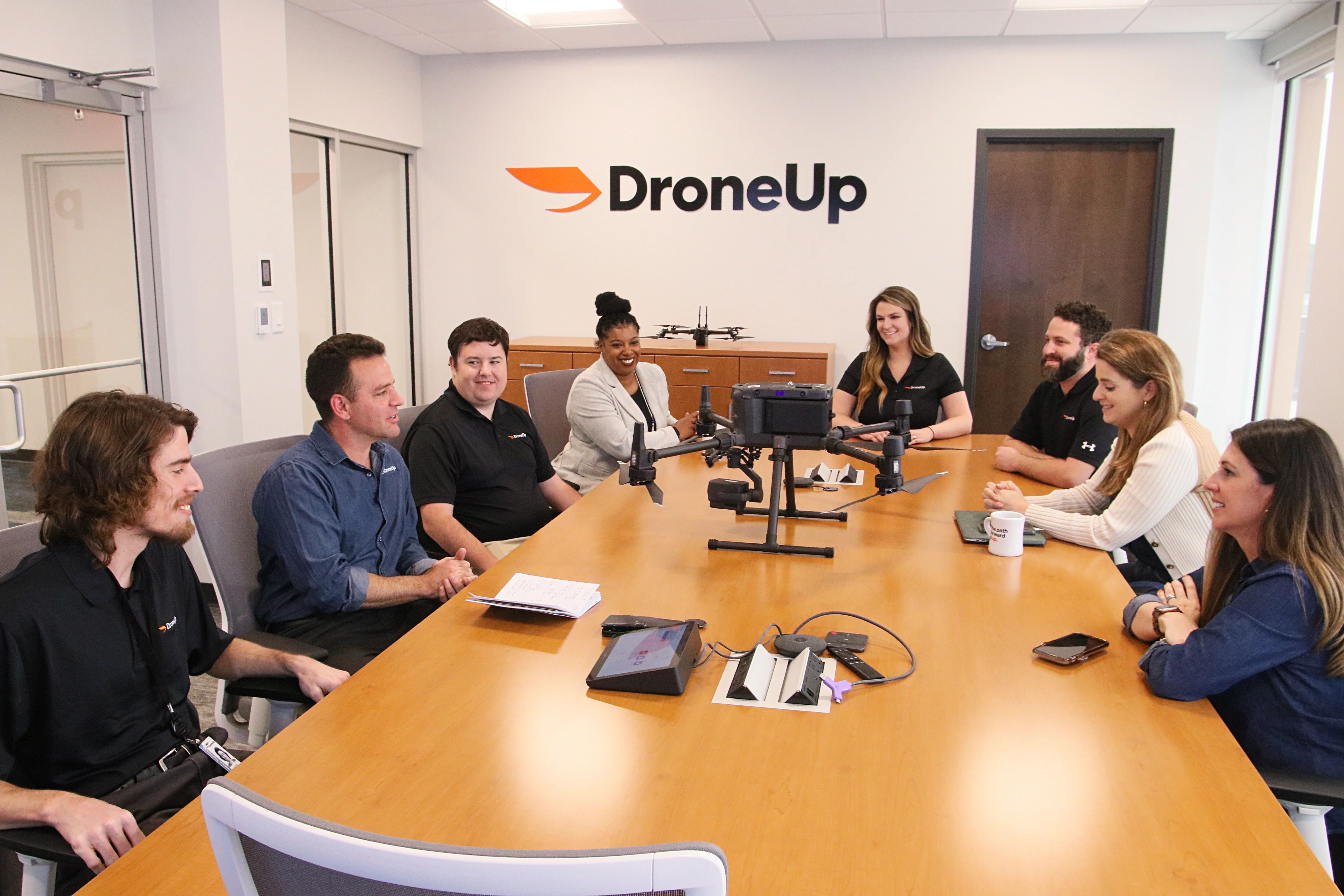
DroneUp, Hampton Roads